
We have all witnessed the rise of remote work and the fact that it’s come to stay, with nearly 16% of companies now operating fully remotely, according to Forbes. This change has redefined and will continue to do so when it comes to the workplace dynamic. Aside from changing how and where we work, how we communicate with our peers and superiors, and even the tools we use, it also impacts something of utmost importance to us all – health insurance and the need for workers to secure their own independently.
Health insurance for remote workers goes beyond mere protection; it’s a vital piece of the puzzle that safeguards their health and finances while they work from anywhere in the world. As traditional employment benefits adapt, understanding and choosing the right health insurance plan is indispensable for your health and peace of mind.
In this article, we’ll guide you through the best health insurance options for remote workers. We’ve conducted thorough research, including insights from this essential guide on choosing health insurance for digital nomads, comparisons of top health insurance providers for expats, and resources on travel insurance for digital nomads. We’ll cover what to look for in a plan, compare providers and coverage options, and provide practical tips on finding the right plan that meets your specific needs. This way, you can stay well-protected no matter where your remote work takes you.
Why Health Insurance is Crucial for Us Remote Workers
While filled with freedom and flexibility, the life of a remote worker comes with unique challenges—most notably, the absence of traditional employer-sponsored health insurance. As a work-from-home professional, it’s your job to ensure you’re insured. But maybe you don’t think it’s a priority, or it all seems too complex, so you haven’t really looked into it yet, leaving you uninsured and vulnerable. The thing is, it’s only a challenge because working without health insurance carries serious risks. Let’s take a look at four of them.
4 Risks of Working Without Health Insurance

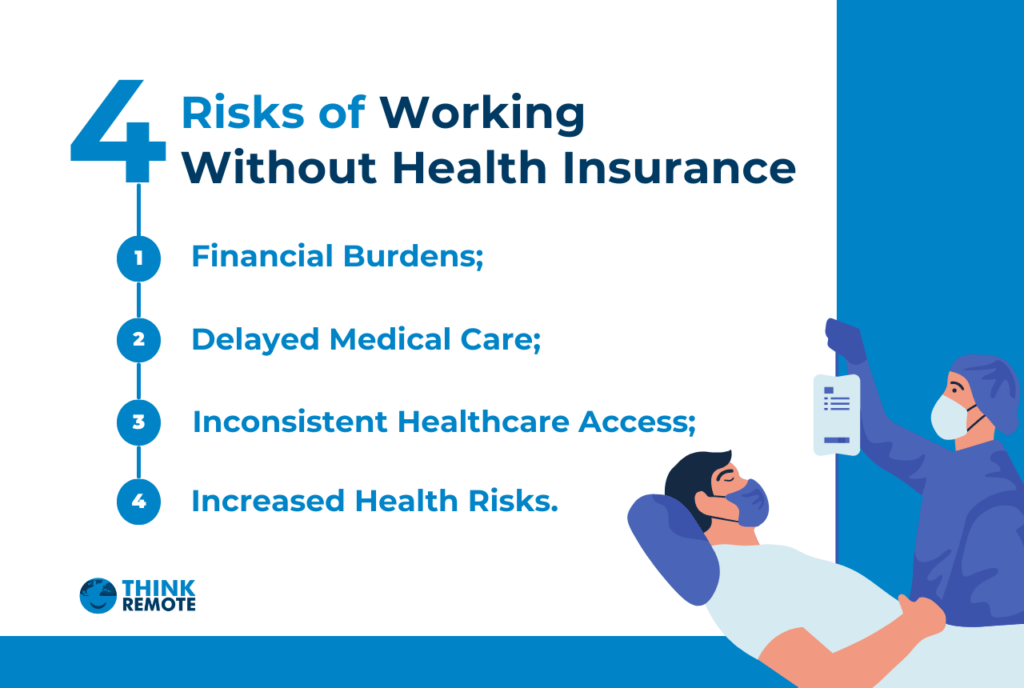
- Financial Burdens: We might think a minor health issue is only minor and insignificant and not worry too much about it. However, even the smallest issue can quickly snowball, causing serious financial strain and jeopardizing your financial stability.
- Delayed Medical Care: Let’s face it—when you’re uninsured, the high cost of a doctor’s visit might make you hesitate. However, delaying care could not only increase your expenses over time but, most importantly, could potentially worsen your condition.
- Inconsistent Healthcare Access: If you’re frequently on the move or even a digital nomad, finding reliable healthcare can be tricky, leading to gaps in treatment.
- Increased Health Risks: A National Center for Health Statistics report highlights that uninsured individuals are much more likely to skip necessary healthcare, leading to worse health outcomes over time. Don’t let that be you.
Choosing the Right Health Insurance Plan for Remote Workers
As someone who works outside traditional office settings, your health insurance needs are as unique as your work setup. When it comes to choosing a plan, it’s not just about picking any option; it’s actually about finding the right one that truly fits your lifestyle. Therefore, we invite you to consider these factors that will help you make the best choice for your particular situation:
Assessing Your Coverage Needs
Where you work, how you live, and your health history all matter when picking the right insurance for you:
- Location: Do you travel frequently or live abroad? If the answer is yes, go for an international or digital nomad insurance plan that covers you wherever you go. Just make sure it has providers in all the spots you plan on being.
- Lifestyle: If either your work keeps you active or in risky environments or that’s just who you are, it’s best to choose a plan that covers accidents and injuries. After all, it’s better to be safe than sorry, right?
- Medical History: Got any pre-existing conditions? If so, make sure your plan covers them, so you don’t end up with high out-of-pocket costs. It’s also good to check if it covers regular check-ups, meds, and specialized care you might come to need.
Different health insurance plans offer varying levels of flexibility and coverage. Here’s a brief overview of the main types:

For more detailed information on these plan types, refer to this guide by Aetna.
By evaluating these factors and understanding the available plan types, remote workers can make informed decisions about their health insurance needs.
What are the Best Types of Health Insurance Plans for Remote Workers?
When working remotely, you need a plan that matches your lifestyle, whether you’re a digital nomad or working from a cozy home office. Here are some types of health insurance plans that might be perfect for you:
- International Health Insurance Plans: If you’re a digital nomad or a travel lover, these plans are for you. They cover you in multiple countries and often include perks like emergency medical evacuation, routine care, and access to a global network of healthcare providers, making sure you’re protected wherever you are.
- Short-Term Health Insurance: Going through a transition or just between jobs? These short-term plans offer temporary coverage, which might just be perfect for you. While they might not cover everything (aka pre-existing conditions and others), they’re a budget-friendly option for those needing immediate but temporary protection.
- Telemedicine Plans: Are you the type of person who loves working from home because you just really love being at home? If leaving doesn’t sound that good to you, even when it’s to see your doctor, these telemedicine plans are your best bet. These plans allow you to consult with doctors virtually, providing convenient access to healthcare regardless of your location (or your desire to go outside).
- Group Health Insurance for Freelancers: Being a freelancer doesn’t mean you have to miss out on group health benefits. Some associations and groups offer health insurance plans that pool members together, such as freelancers and independent contractors, often leading to lower premiums.
Want to dive deeper? Check out this guide to remote workers’ health insurance for more info.
How Much Does Health Insurance Cost for Freelancers or Remote Workers?
Wondering what you might pay for health insurance as a freelancer or remote worker? The price can swing quite a bit, actually. Coverage type, location, and deductibles all influence the cost. Let’s break it down and figure out the best fit for your budget and healthcare needs.
Key Factors Influencing Health Insurance Costs
Coverage Type
Basic plans, focusing on emergency care and general services, are more affordable but may have higher out-of-pocket costs and limited provider access. Comprehensive plans offer broader coverage, including preventive care and specialist consultations, but usually have higher premiums.
Geographic Coverage
Local plans are generally less expensive and suitable for those who stay in one area. However, if you work across multiple countries, international health insurance is essential, though it often comes at a higher cost.
Deductibles
High-deductible plans have lower premiums, making them a good option if you don’t expect frequent medical care. However, you’ll pay more out-of-pocket before coverage kicks in. Low-deductible plans offer more immediate protection but come with higher premiums.
Premium Ranges
Premiums depend on factors like age, health status, and the plan’s flexibility. Younger, healthier individuals pay less, while older individuals or those with pre-existing conditions may face higher costs.
Taking these elements into account helps remote workers find a plan that offers the right mix of coverage and affordability, making sure their healthcare needs are covered without stretching their budget.
Health Insurance for Freelancers and Gig Workers
Freelancers and gig workers need health insurance that’s as flexible as their work. Short-term or month-to-month plans are great for covering gaps between contracts or during project-based work. It’s important to find a balance between affordability and comprehensive coverage, ensuring you’re protected without breaking the bank.
Flexibility is key, as your income and work schedule can change from month to month. Look for plans that adapt to these shifts while offering the essential services you need, like preventive care and emergency coverage. If your work involves travel, consider plans that include global protection. By choosing the right plan, you can stay covered and focus on your work, no matter where it takes you.
Exploring Health Insurance Options for Remote Workers
In today’s flexible work environment, remote professionals need health insurance plans that offer more than just basic coverage. From affordable options to comprehensive plans, we’ll explore the best choices available to ensure you stay protected no matter where or how you work.
What are the Best Low-Cost Health Insurance Options for Remote Workers?
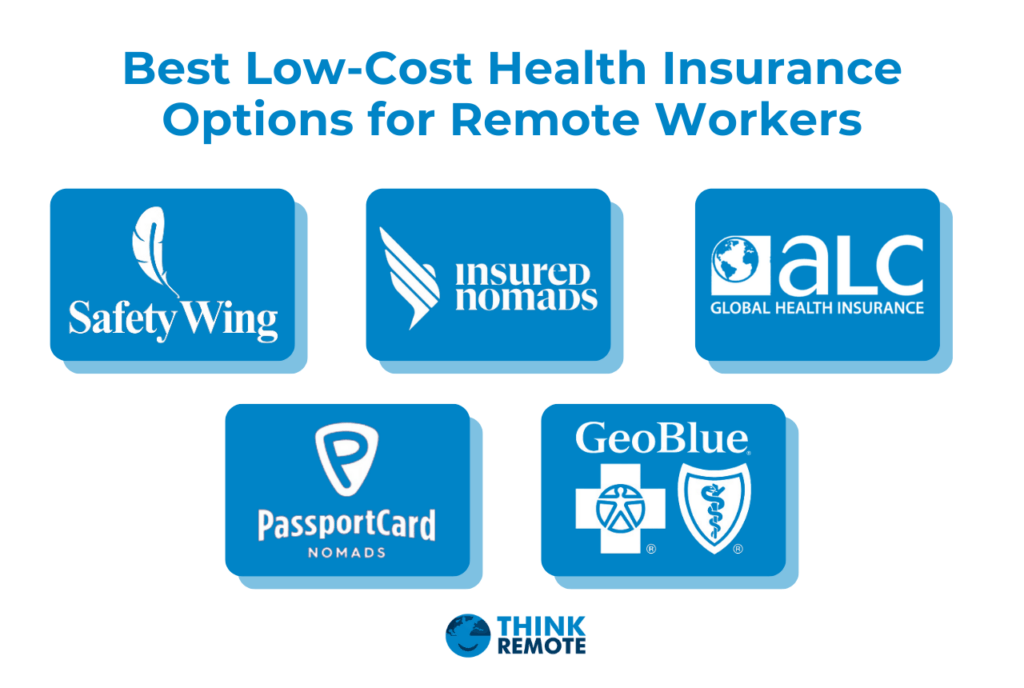
For remote workers around the globe, finding affordable yet reliable health insurance is essential. While cost is a significant factor, it’s also crucial to ensure that the plan offers adequate coverage no matter where you are. Below are some of the best low-cost health insurance options that cater to the needs of remote workers worldwide.
| Insurance Provider | Pros | Cons |
| SafetyWing | – Global coverage designed for digital nomads and remote workers – Affordable premiums – Flexible, renewable plans – COVID-19 and emergency medical evacuation coverage | – Limited coverage for pre-existing conditions – Not ideal for long-term residents in one country |
| Insured Nomads | – Comprehensive coverage tailored for remote workers – Global reach – Mental health and telemedicine support | – Premiums can vary with age and coverage level – Some benefits may be limited depending on the plan |
| ALC Health | – Focus on affordability with customizable plans- International health insurance – Emergency medical evacuation and repatriation included | – Coverage may be limited based on plan choices – Premiums may increase with age |
| PassportCard Nomads | – Direct payment via a special card, avoiding upfront out-of-pocket expenses – Global coverage – Access to private healthcare facilities | – Limited options for budget-conscious – Additional fees may apply in some coverage areas |
| GeoBlue Xplorer Essential | – Affordable plans for U.S. citizens living abroad – Option to exclude U.S. coverage to reduce costs – Pre-existing conditions covered after a waiting period | – Only available to U.S. citizens – Excluding U.S. coverage might not suit everyone |
These low-cost health insurance options provide essential coverage that remote workers need to protect both their health and finances, no matter where they are in the world. By carefully weighing the pros and cons of each plan, remote workers can find a solution that meets their unique needs and lifestyles.
What are the Best Health Insurance Providers for Remote Workers?

While we previously covered some excellent low-cost health insurance options, it’s essential to consider the broader market to find the best health insurance plan that fits your specific needs. Whether you’re a digital nomad, freelancer, or remote worker with a full-time job, having access to comprehensive health insurance is crucial for your well-being and peace of mind. Below is a detailed analysis of the top 10 health insurance providers for remote workers, each offering unique benefits and coverage options to suit various lifestyles.
1. Insurance.com
Overview: Insurance.com is a digital platform that connects consumers with a wide range of health insurance providers. It offers access to various individual, family, and group health plans, including those tailored for remote workers.
Pros:
- Access to a broad selection of health insurance plans through multiple providers.
- User-friendly comparison tools to help find the best fit.
Cons:
- The experience and quality of service depend on the third-party providers connected through the platform.
- Insurance.com does not directly manage the insurance policies, so customer service can vary.
Global Relevance: Provides access to international health insurance options through third-party providers.
Reputation: Insurance.com is known for its comprehensive comparison tools, though user experiences can vary depending on the selected provider.
2. SafetyWing
- Overview: SafetyWing offers two main products: Nomad Insurance, a travel insurance plan for digital nomads, and Remote Health, a comprehensive global health insurance plan. Both are designed specifically for remote workers and travelers.
- Pros:
- Affordable and flexible plans that can be renewed monthly.
- Global coverage, including emergency medical evacuation and COVID-19 treatment.
- Cons:
- Limited coverage for pre-existing conditions.
- Nomad Insurance is not ideal for long-term residents in one country.
- Global Relevance: Provides worldwide coverage, making it suitable for remote workers and digital nomads.
- Reputation: SafetyWing is highly regarded among digital nomads for its affordability and flexibility, though some users note limitations in coverage for more extensive medical needs.
3. Insured Nomads
- Overview: Insured Nomads offers global health insurance plans tailored for digital nomads, remote workers, and expatriates. Their plans include comprehensive coverage, mental health support, and telemedicine services.
- Pros:
- Extensive global coverage, including mental health and telemedicine support.
- Flexible plans that can be customized according to individual needs.
- Cons:
- Higher premiums compared to basic travel insurance due to comprehensive coverage.
- Pricing can vary significantly based on age and coverage level.
- Global Relevance: Designed for global use, with no restrictions based on country of residence.
- Reputation: Insured Nomads is well-regarded for its comprehensive coverage and support services, though it may be considered expensive for those looking for basic coverage.
4. Cigna Global
- Overview: Cigna Global offers international health insurance plans with customizable coverage options, including inpatient, outpatient, wellness, and dental care. Their plans are designed for expatriates and global citizens.
- Pros:
- Highly customizable plans that can be tailored to specific needs.
- Extensive network of healthcare providers worldwide.
- Cons:
- Higher premiums, especially for comprehensive plans.
- Some users report that the claims process can be complex.
- Global Relevance: Provides global coverage, suitable for remote workers living or traveling abroad.
- Reputation: Cigna Global is a trusted name in international health insurance, known for its robust coverage options but also for its higher costs.
5. GeoBlue
- Overview: GeoBlue offers international health insurance plans primarily for U.S. citizens living abroad. Their plans include comprehensive medical coverage and access to a global network of doctors and hospitals.
- Pros:
- Extensive global network with access to quality healthcare providers.
- Option to exclude U.S. coverage to reduce premiums.
- Cons:
- Only available to U.S. citizens, limiting its appeal for non-U.S. remote workers.
- Excluding U.S. coverage may not suit everyone’s needs.
- Global Relevance: Offers global coverage with a focus on U.S. citizens abroad.
- Reputation: GeoBlue is highly regarded for its extensive provider network and customer service, but the limitation to U.S. citizens can be a drawback for some.
6. Allianz Care
- Overview: Allianz Care provides international health insurance with a focus on expatriates and remote workers. Their plans include comprehensive medical coverage, dental care, and emergency medical evacuation.
- Pros:
- Comprehensive coverage with a wide range of add-ons.
- Strong reputation for customer service and claims processing.
- Cons:
- Higher premiums, particularly for extensive coverage.
- Some plans may require upfront payments, which are later reimbursed.
- Global Relevance: Offers global coverage, making it a suitable option for remote workers.
- Reputation: Allianz Care is well-known for its reliability and comprehensive coverage, though it comes at a higher cost.
7. IMG Global
- Overview: IMG Global offers a variety of international health insurance plans, including travel insurance, expatriate health insurance, and student health insurance. Their plans are flexible and cater to a wide range of needs.
- Pros:
- Flexible plans with options for different types of coverage.
- Emergency medical evacuation and repatriation included in most plans.
- Cons:
- Coverage can be limited depending on the plan chosen.
- Premiums can be higher for comprehensive plans.
- Global Relevance: Provides worldwide coverage with various plan options to suit different needs.
- Reputation: IMG Global is respected for its flexible coverage options, though users may find the variety of plans overwhelming when choosing the right one.
8. AXA Global Healthcare
- Overview: AXA Global Healthcare offers international health insurance plans with a focus on comprehensive coverage and access to a global network of healthcare providers. Their plans are designed for remote workers and expatriates.
- Pros:
- Comprehensive global coverage with a large network of providers.
- Strong customer service and support.
- Cons:
- Higher premiums, particularly for extensive coverage options.
- Some users report challenges with claims processing in certain regions.
- Global Relevance: Suitable for remote workers with its global coverage options.
- Reputation: AXA Global Healthcare is well-regarded for its comprehensive coverage and support services, though premium costs can be a concern for some.
9. Foyer Global Health
- Overview: Foyer Global Health specializes in providing international health insurance for expatriates and remote workers. Their plans offer comprehensive medical coverage, including preventive care and emergency services.
- Pros:
- Comprehensive coverage tailored for expatriates and remote workers.
- Includes preventive care and mental health support.
- Cons:
- Premiums can be higher for more comprehensive coverage.
- Limited options for those looking for basic or low-cost plans.
- Global Relevance: Offers global coverage, making it suitable for remote workers.
- Reputation: Foyer Global Health is known for its reliable coverage and customer support, though the higher cost may be a barrier for some.
10. PassportCard Nomads
- Overview: PassportCard Nomads offers real-time payment solutions for medical expenses without the need for out-of-pocket payments. Their plans are designed for digital nomads and remote workers.
- Pros:
- Real-time payments with no out-of-pocket expenses.
- Global coverage with access to private healthcare facilities.
- Cons:
- Limited plan options for those on a tight budget.
- Some coverage areas may require additional fees.
- Global Relevance: Provides global coverage tailored for digital nomads and remote workers.
- Reputation: PassportCard Nomads is praised for its innovative real-time payment system, though some users find the plans to be on the pricier side.
These providers offer a range of health insurance options tailored to the needs of remote workers, whether you’re looking for basic coverage or a comprehensive plan that includes mental health support and preventive care. Understanding the pros and cons of each provider will help you make an informed decision and find the best health insurance plan for your unique needs.
Choosing the Right Health Insurance for your Remote Life: Practical and Cost-Saving Strategies
Choosing the right health insurance plan is vital for remote workers, as your needs differ from those in traditional employment. Start by assessing your health needs—think about any pre-existing conditions, the frequency of doctor visits, and whether you need specialist care. Creating a checklist can be a useful way to ensure your chosen plan covers all bases, from routine care to emergency services.
Next, compare coverage options thoroughly. Some plans may only cover basic medical needs, while others offer more comprehensive benefits, including dental and mental health services. If you’re frequently on the move, it’s important to look for flexibility in coverage. Be mindful of costs, too. A low premium might seem attractive, but high deductibles or limited coverage could end up costing you more in the long run.
Network coverage is another key consideration. Make sure your plan includes a broad network of healthcare providers, especially in the locations where you spend most of your time. Finally, don’t forget to evaluate the provider’s reputation. Reading reviews and researching any common complaints can give you a clearer picture of what to expect.
When it comes to saving on costs, consider high-deductible health plans (HDHPs), which often come with lower premiums. Pairing an HDHP with a Health Savings Account (HSA) can also be a smart move, as contributions are tax-deductible and can be used tax-free for qualified medical expenses. Additionally, shopping around and comparing plans can help you find an affordable option that still meets your needs. Don’t hesitate to look into group insurance plans offered by professional associations or freelancer networks—they often provide better coverage at a lower cost.
Conclusion
We’ve established that although choosing the right health insurance as a remote worker can be challenging, it’s essential for protecting your health and financial stability. As remote work grows, finding a plan that suits your unique needs has never been more important. By understanding the various coverage options, comparing providers, and using cost-saving strategies, you can secure the protection you need no matter where your work takes you.
Whether you’re a digital nomad, freelancer, gig worker, or you just love working from the comfort of your cozy home office, taking the time to assess your health insurance options and make informed decisions is key. Remember to consider factors like coverage type, geographic flexibility, and cost when selecting a plan, and don’t hesitate to explore various providers to find the best fit for your lifestyle.
Ultimately, the right health insurance plan is one that offers both comprehensive coverage and financial peace of mind, allowing you to focus on what you do best—thriving in your remote work environment and living your best life.
For more tips and in-depth guides on handling remote work challenges, be sure to explore our other resources.